
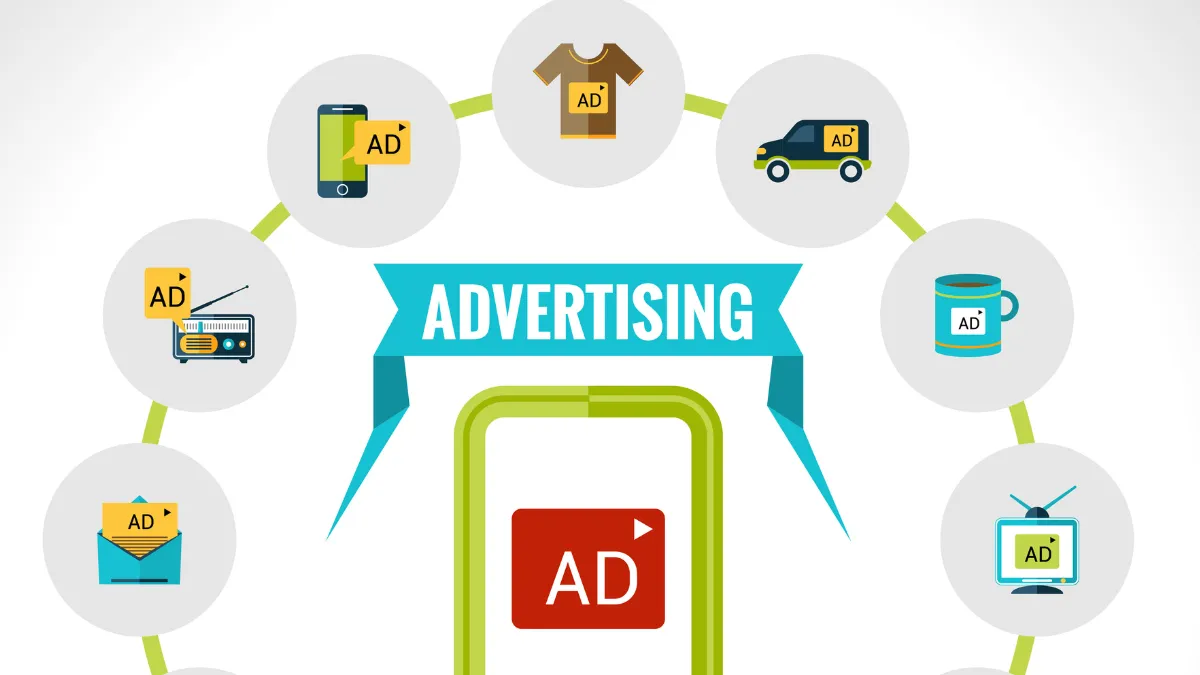
As a business owner, you know advertising is key to reaching potential customers. With digital advertising, you have more options to promote your brand online. In this article, we will explore the main types of digital advertising platforms and the various platforms where ads can be placed. Getting familiar with the common options like search engines, social media, and display advertising. They will allow you to make informed choices, and develop an ad strategy. You will learn key differences between platforms like Google, Facebook, Instagram, and more. With this knowledge in hand, you can determine the best approaches to connect with your target audience and maximize the impact of your digital advertising budget.
Overview of Digital Advertising
Display Advertising:
Display advertising refers to image-based ads on websites. It includes banner ads, rich media ads, and video ads. Banner ads are static images, and rich media ads include animation or video. These display ads can appear before, in the middle, or after the videos. Display ads are placed on publisher websites and are shown to users who are likely to be interested in the product or service being advertised based on their web browsing behavior and interests.
Search Engine Marketing:
Search engine marketing (SEM) helps advertisers promote their websites by bidding on keywords that are relevant to their business. The users search for those keywords, the advertisers’ listings and ads appear at the top or side of the search results. This is one of the most effective digital advertising platforms. The two main types of SEM are search engine optimization (SEO) and pay-per-click (PPC) advertising. SEO involves optimizing websites to rank higher in organic search results. The PPC advertising refers to the sponsored listings at the top and side of the search results page.
Social Media Advertising:
Social media advertising refers to ads on social networks like Facebook, Instagram, Twitter, and LinkedIn. These ads target users based on location, interests, behaviors, and demographic information. Social media ads come in various formats, including image ads, video ads, carousel ads (multiple images), collection ads (catalog-style), and lead ads (for capturing contact information). It is one of the most popular and effective digital advertising platforms. Many social networks offer highly targeted advertising based on users’ social profiles and behavior.
Email Marketing:
Email Marketing involves sending commercial messages via email to promote products or services. Its newsletters, promotional offers, product announcements, and other marketing messages are sent to subscribers who have opted in to receive communication from a particular company. It is one of the popular digital advertising platforms. Email marketing is targeted and cost-effective, and runs the risk of being considered spam if not done properly. Relevant, engaging content and a clear unsubscribe process are important to successful email marketing.
Digital advertising encompasses display ads, search engine marketing, social media advertising, email marketing, and other methods for promoting brands and products on the Internet. If done well, digital advertising can be a highly effective way for businesses to reach their target audiences.
Major Types of Digital Advertising Platforms
Search Engine Optimization (SEO):
Search engine optimization (SEO) refers to optimizing your website to rank higher in the results of search engines like Google, Bing, and Yahoo. By optimizing your page content, page structure, and backlink profile, you can improve your rankings for certain keywords and drive more organic traffic to your site. SEO is an effective way to increase brand awareness and generate leads.
Pay-Per-Click (PPC) Advertising:
Pay-per-click (PPC) advertising refers to ads you pay to display in sponsored search results and other places like YouTube, Facebook, and Instagram. PPC platforms allow you to pick specific keywords and audiences to target and you pay each time someone clicks your ad. Some favorite and effective pay-per-click advertising platforms are Google Ads, Bing Ads, and Facebook Ads. PPC can effectively generate traffic and leads, and cost money without proper optimization.
Content Marketing:
Content marketing involves creating and distributing content like blog posts, videos, and podcasts to attract and engage your target audience. The content you create should provide value to your readers and subtly promote your business. Content marketing is a long-term strategy, and boosts your brand awareness and traffic from organic search and social media. Common content marketing channels include blogs, video platforms like YouTube, and podcasting platforms like SoundCloud.
Social Media Marketing:
Social media marketing refers to promoting your business on social media platforms like Facebook, Instagram, Twitter, and LinkedIn. It can increase brand awareness, drive website traffic, generate leads, and build personal connections with customers. Social media marketing typically involves creating engaging content, advertising to your target audience, and engaging with followers. It requires constant work to be effective. and can be an invaluable way to reach customers.
Display Advertising:
Display advertising includes banner ads, interstitial ads, and other graphical ads you place on third-party websites. Advertisers bid on the opportunity to display their ads to users as they browse partner websites and apps. Display ads can be an affordable way to increase brand awareness and drive traffic to your site, as well as have lower click-through and conversion rates compared to search ads. Major display ad networks include Google Display Network, Facebook Audience Network, and Yahoo! Advertising.
Search Engine Advertising (SEA)
Paid search advertising:
Paid search advertising, is known as search engine marketing (SEM). It allows businesses to promote their websites by purchasing advertising space on search engine results pages (SERPs). When Internet users search for certain keywords or phrases on a search engine like Google, your ads can appear at the top of the results page.
Pay-per-click (PPC) model:
The paid method for advertising is called the pay-per-click (PPC) advertising model. In this method you pay, if someone clicks your ad. PPC pricing depends on the competitiveness of the keywords you’re bidding on. Businesses can set daily budgets and only pay for the number of clicks received or the budget amount, whichever comes first.
Keyword research:
Choosing the right keywords and phrases for your paid search campaigns is key to success. You’ll want to identify terms that are relevant to your products or services and that people are frequently searching for. Tools like Google’s Keyword Planner can help determine search volume and cost estimates for different keywords. Aim for a mix of broad, general terms, and more specific phrases.
Ad copy:
Your ad copy, including the headline and description, needs to be compelling and capture people’s attention quickly. The headline should highlight what makes your product, service, or business unique. The description should provide more details on what you’re offering and the key benefits to the customer. Keep your ad copy concise, around 25 words for the headline and 70 characters for the description.
Landing page:
After clicking your ad, visitors should be directed to a webpage on your site that aligns with the ad and related keywords. This page must furnish valuable information and present a forthright guide for visitors to engage in actions like reaching out to you, signing up, or making a purchase. If visitors end up on an unrelated or sparse page, it wastes the opportunity from the click and ad spend.
Paid search advertising can be an effective way for businesses to increase traffic, generate leads, and boost online sales. With careful planning and optimization, paid search campaigns can yield a high return on investment.
Social Media Advertising
Facebook Advertising:
Facebook advertising allows you to reach your target audience on the largest social network in the world. You can create ads that appear in the News Feed and sidebar of Facebook, targeted to specific locations, ages, interests, and behaviors. Facebook offers several ad types like photo ads, video ads, carousel ads, and more. You pay if people click your ad or take a specific action like filling out a lead form.
It is one of the favorite digital advertising platforms. Facebook advertising is effective for raising brand awareness, driving traffic to your website, promoting an event, and generating new leads or sales. The key is to target your ads as precisely as possible to those most likely to be interested in your product or service based on demographics, location, interests, and online behaviors. Well-targeted Facebook ads have the potential to yield a high return on investment.
Instagram Advertising:
Instagram advertising lets you promote your brand and products on Instagram, the popular photo and video-sharing social network. You can create ads that appear in the Instagram feed and stories, targeted by age, gender, interests, and more. Instagram ad types include photo ads, video ads, carousel ads, story ads, and collection ads. You pay, if people click your ad, view it for one second, or visit your profile or website.
Instagram advertising is ideal for visually oriented brands and products. Highly engaging photo and video ads can raise brand awareness, increase traffic, generate new followers, and drive sales. Like Facebook, the key to success with Instagram ads is precision targeting and high-quality, eye-catching creative. Instagram ads tend to have lower costs per click advertising type..
Twitter Advertising:
Twitter advertising enables you to promote your account, hashtags, or products on Twitter, the popular microblogging network. You can create Promoted Tweets and Promoted Accounts that appear at the top of search results and timelines, targeted by keywords, interests, behaviors, and more. You pay, if People click, like, retweet, or follow.
Twitter advertising works well for increasing brand awareness, driving web traffic, promoting events or hashtags, and gaining new followers. Make sure to focus your targeting on those most likely to be interested in your product, service, or brand. Keep your ads and tweets concise to match the fast-paced nature of the network. With the right targeting and messaging, Twitter ads can be an effective tool for customer acquisition and lead generation at a low cost.
Read More: The Evolution of Social Media Advertising Innovations in Digital Marketing
Video Advertising
Types of Video Ads:
There are several types of video advertising methods used by brands to reach their target audiences. The popular advertising methods are:
Pre-roll ads:
Pre-roll ads appear before the start of a video content. They are usually 5-15 seconds long.
Mid-roll ads:
These ads interrupt the viewers while watching the video, ask them to watch the ad, and continue to view the videos. They are 5-15 seconds in length.
Post-roll ads:
These ads play after you have finished watching a video. Like pre- and mid-roll ads, post-roll ads are usually short.
Bumper ads:
These are very short video ads, around 3-6 seconds. They are meant to grab attention and raise brand awareness.
Long-form ads:
These are longer video ads, around 2 minutes or more in length. They are meant to tell a story and provide more details about a brand or product.
Benefits of Video Advertising
Video advertising has become increasingly popular and offers several benefits:
It’s engaging:
Videos capture attention and interest. Viewers are more likely to watch an ad in video format versus a static image.
It conveys emotion:
Videos can stir emotions in the viewer, helping to build brand awareness and connection.
It educates:
Long-form video ads allow brands to educate viewers about their products, services, or company values.
It has a high reach:
Videos can reach a large number of people if promoted on platforms like YouTube, Facebook, Instagram, and TikTok.
It’s impactful:
Viewers tend to remember videos more as compared to other ad formats. This can translate into a bigger impact on brand recall and purchasing decisions.
It’s shareable:
Entertaining and interesting video ads are likely to be shared by viewers, expanding their reach through social sharing. This can amplify brand exposure.
It provides data:
Video advertising platforms provide in-depth analytics and insights into how viewers are engaging with and responding to the ads. You can use the analytics and insight data for the next ad campaigns.
Video advertising is a powerful method for brands to increase awareness, highlight product benefits, and drive sales and customer loyalty. With the rise of streaming services and social video, video advertising will likely continue to grow in popularity in the coming years.
benefits of different types of digital advertising
Digital advertising platforms provide numerous benefits for businesses looking to reach new audiences and drive growth. Some of the major advantages of online advertising methods include:
Targeted reach:
Digital platforms allow you to target specific audiences based on factors like demographics, geographic location, interests, and behaviors. You can tailor ads to those most likely to be interested in your products or services. This focused targeting means higher click-through and conversion rates.
Cost-effectiveness:
Digital advertising is a cost-effective advertising method. You can set daily budgets and pay, and someone engages with your ad. Many platforms offer flexible payment models, allowing you to pay per impression, per click, or conversion.
Trackable results:
Digital advertising makes it easy to track key metrics like impressions, clicks, conversions, and ROI. You can see what’s working and make data-driven decisions to optimize your campaigns. Adjust ads, audiences, budgets, and more to improve performance over time.
Scalability:
It’s simple to scale digital ad campaigns up or down as needed. You can start with a small budget and expand to new platforms and audiences as you gain experience. Or pause underperforming ads at any time. This flexibility allows you to be nimble and responsive based on results and marketing objectives.
Digital advertising platforms provide a wealth of benefits for savvy marketers and business owners. Online ads can be an extremely effective way to spread brand awareness, engage new customers, increase traffic and conversions, and drive sales and revenue growth. The key is focusing on highly targeted, optimized campaigns and continually improving performance over time through analysis and testing.
Read More: Business-to-consumer marketing strategies
Conclusion
As you have seen, there are different types of digital advertising platforms and methods to choose for reaching your target audience. Each has its advantages and best uses, and evaluate your campaign goals, budget, and metrics to determine which option or options are right for you. With a solid understanding of the digital landscape and each format’s unique benefits, you can craft an effective online advertising strategy using the ideal platforms and ad types to meet your business needs. The digital world is complex, arming yourself with knowledge of the various digital advertising methods gives you the power to connect with customers and drive results in our increasingly online world.
Read More:
How to Build a Successful Network Marketing Business?
How to Build a Strong Online Presence? The Key to Business Success